
May 12, 2026
How to Save for a Big Purchase Without Stress
By Renee Carter · Saving & Everyday Money
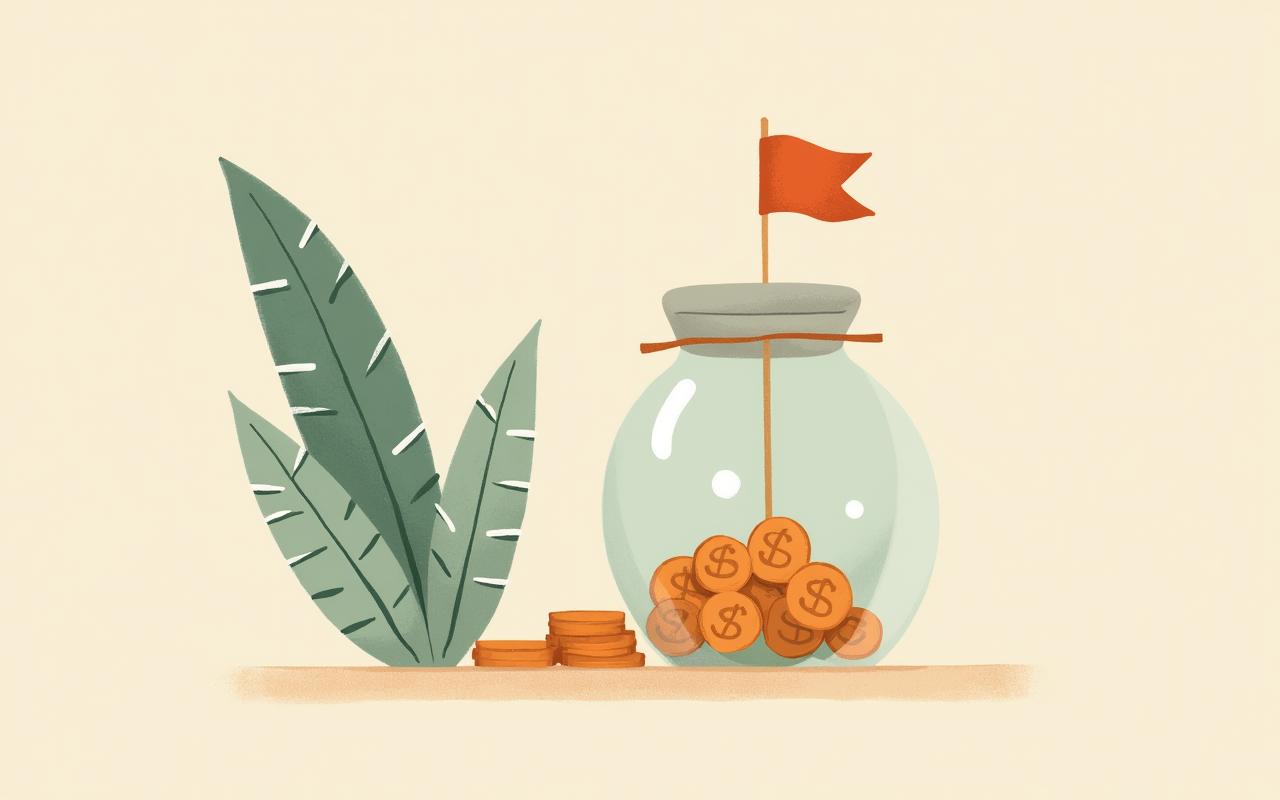
Here is something I have noticed over the years: the expenses that wreck a budget are almost never the ones nobody could have predicted. The car that finally quits. December, which shows up on the same date every single year. The vacation you promised the kids. The insurance premium that lands once or twice a year, right on schedule. None of these are actual surprises. They just feel like surprises when they hit all at once. And that scramble to cover everything in a single month is where the stress really lives, not in the expense itself. The calmer way to handle them is almost boring, and that is exactly why it works.
The tool I reach for is what people call a sinking fund. Friendly name, simple idea: you tuck away a little at a time toward a cost you already know is coming, so the money is sitting there waiting when the bill shows up. Rather than swallowing one big painful month, you spread the cost across a lot of easy ones. I think of it as the difference between bracing for a hit and just opening a drawer you stocked ahead of time. The expense still happens. It just stops knocking you off your feet.
Setting one up takes about five minutes. Name the specific thing you are saving for, then make your best guess at what it will cost and when you will need it. Roughly is fine. Divide that number by the months or paychecks between now and then, and there is your regular amount. If the goal feels out of reach in the time you have, you have options: stretch the timeline, shrink the target, or save what you can and close the rest of the gap as the date gets closer. The math does not have to be perfect to do real work for you.
Automation is the part that makes all of this actually stick. Once you know your amount, set it to move into savings on its own, ideally the day after you get paid, so the decision happens without you having to talk yourself into it every time. Money you never see in checking is money you are far less likely to spend somewhere else. A lot of folks keep these savings in a separate account, or in named sub-accounts if their bank offers them, so the vacation money does not quietly mingle with the grocery money.
You can run several of these at once, each one quietly filling toward its own job. Holiday gifts in one. Car maintenance in another. That bigger purchase you have been circling for a while in a third. The amounts can stay small. What matters is showing up consistently, because steady contributions have a sneaky way of adding up to numbers that surprise you when you finally look. And when one fund hits its goal and gets spent, you just point that same contribution at the next thing on the list.
I want to draw a clear line between these planned-expense funds and your emergency fund, because they are not the same animal. The emergency fund is for the things you truly cannot see coming. A sinking fund is for the things you absolutely can see coming and simply have not paid for yet. Keep them in separate buckets and a planned purchase never has to raid the safety net you built for real surprises. That separation is a big part of why the whole system feels so steady.
My favorite thing about saving this way is what it does to your head. When the money for a big purchase is already set aside, buying the thing feels like a calm decision you made on purpose, not a roll of the dice. No guilt afterward, no scramble, no debt to clean up. Pick one expense that is coming. Set the automatic transfer in motion. Then let time and repetition carry the load. Give it a few months and big purchases quietly stop feeling like emergencies and start feeling like one more thing you simply handled.
See the options you may qualify for.
Answer a few quick questions and compare offers and programs matched to your situation. It is free to check.
See My OptionsGet the money guide that fits your situation
Practical, jargon-free tips on debt, credit, saving, and the programs you may qualify for. No spam — unsubscribe anytime.